 AI-generated image
FEATURES
Everything a good coach does. In one place.
Your plan, today's session, your runs, race day and trophies. Plain language first, the detail when you want it.
Free during the beta.
Built for you, not from a template.
Your goal, your days, your time. Sessions in phases, with a lighter week every three to four weeks.
More detail
Your plan comes from your assessment: your goal and race date, the days and minutes you have, how you run today, and anything you report, such as discomfort or a long break. Weekly volume and the long run grow by at most 10% over your last normal week; every three to four weeks a lighter week takes the long run to about 60%. Seven paths, from your first walk/run to an ultra; switch paths in your program when your goal changes.
Know what to run today, and why.
Every session comes with a one-line “why”, your pace or heart-rate range, a warm-up, and a weather tip when the weather matters.
More detail
- “Why this session?”: one sentence under every session, on your dashboard, in your program and in coach chat.
- Your range: a pace band, or heart-rate zones from your max and resting heart rate.
- A warm-up and cool-down with every run; many exercises have short demos.
- Weather tip: with a location in your profile, one line when rain, wind, heat, snow, ice or a thunderstorm change how to run today, often with a clear window to run in (forecast from MET Norway), optionally as a morning notification.
Ask your coach.
Questions about today's run, your plan or the weather, answered in plain language.
More detail
Ask about today's session, your week, your pace or how to fit a run around the weather. The coach sees this week's and next week's sessions, summaries of your last four weeks, your goal and, with a location set, the forecast for your place. It can't change your plan itself; it points you to plan reviews or Planned Time Away.
Questions about pain, medication or diet get a short pointer to the right person, not advice. Open to beta testers: you opt in once, 20 messages a day. Your chat stays in this browser tab. To answer, your message is sent to our AI provider together with a summary of your plan and recent training; JNMR doesn't keep a chat history.
Synced automatically. Or logged in seconds.
Watch runs arrive by themselves and are matched to your plan; Garmin runs add a route map and splits. No watch? A check-in takes about 20 seconds. Works with Garmin and Polar, more watches coming soon.
More detail
- Check-in: time and how hard it felt (1–10), one quick question; distance and average heart rate if you have them. It feeds your training load, trends and plan reviews.
- From a connected watch the run arrives by itself; GPS watches add a route map, splits and pace.
- Speed and distance trophies, the finish-time estimate and the Carbon tier need a recorded run.
- Share any run as a story, post, square or sticker with your own photo; photos stay in your browser.
Race day, planned.
A pacing plan, a printable pace band, and a finish-time estimate from your recorded runs.
More detail
A pacing plan per km or mile, even or with a slight negative split, plus a printable pace band.
For 5K, 10K and the half you get one estimated time, from a race or time trial recorded by your watch, with its inputs shown and a note that it rests on one effort. Only the marathon is shown as a range, from a recorded run of at least 21.1 km in the last 12 weeks.
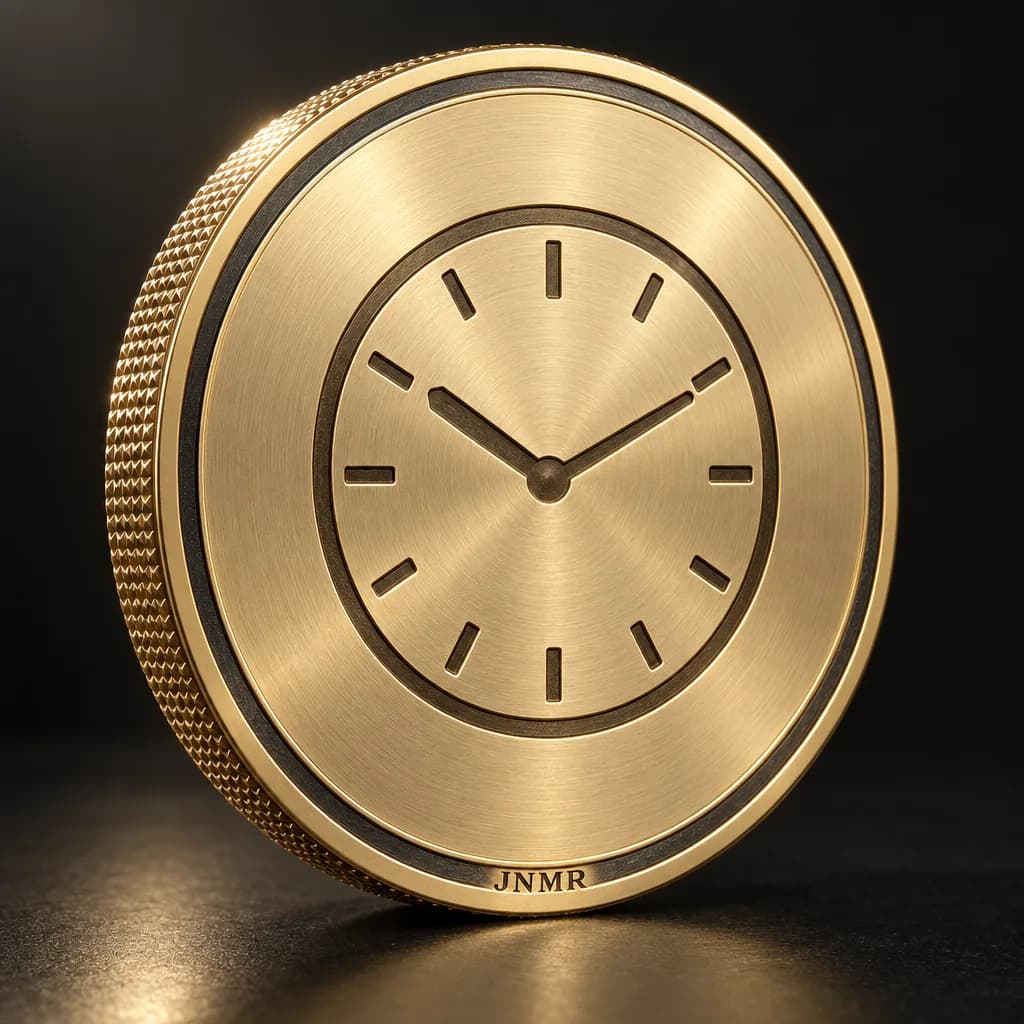
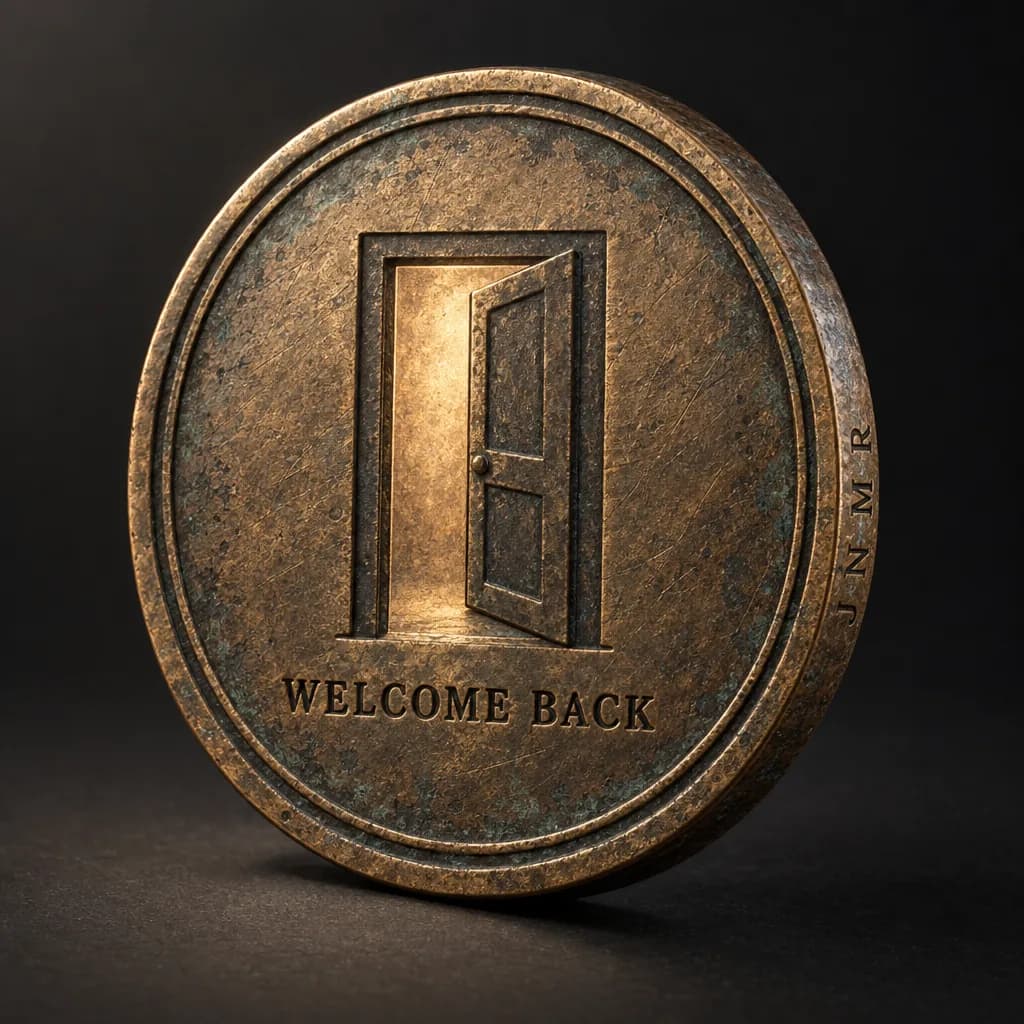
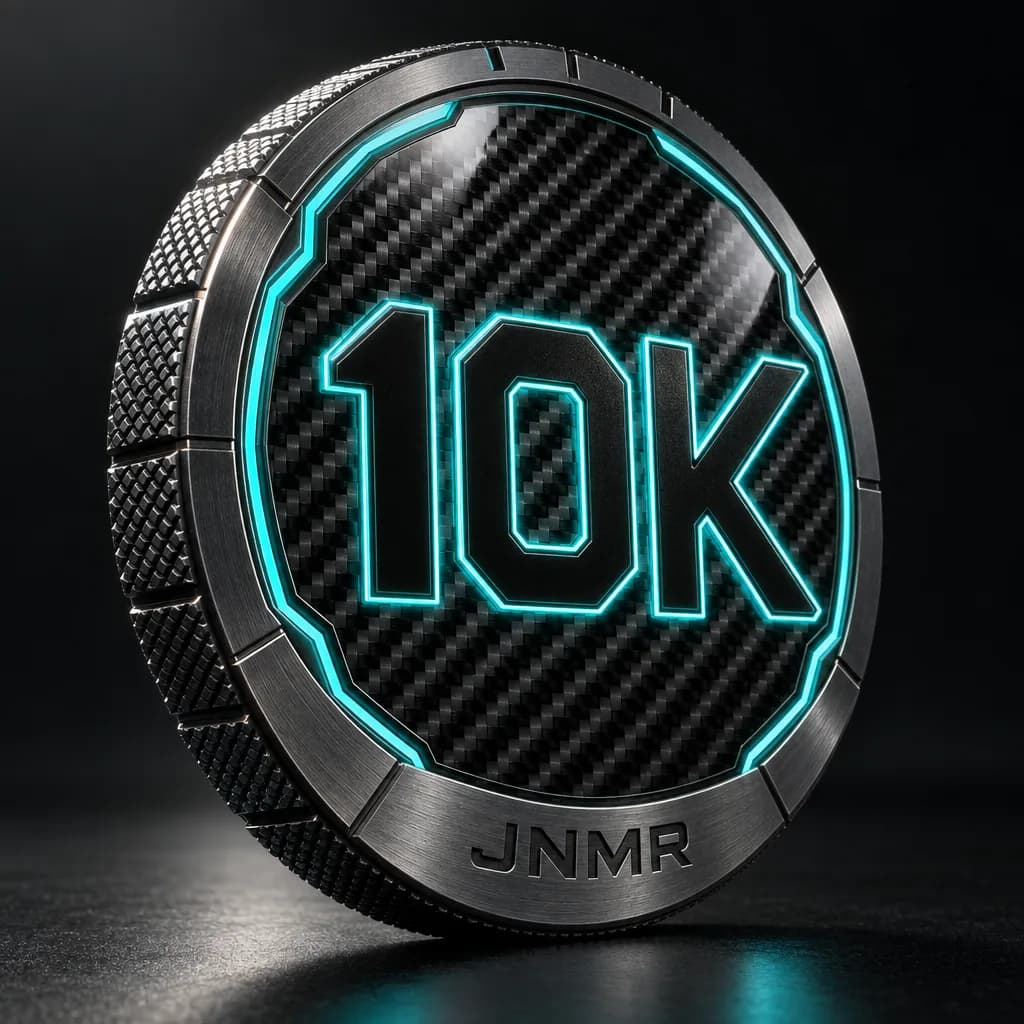
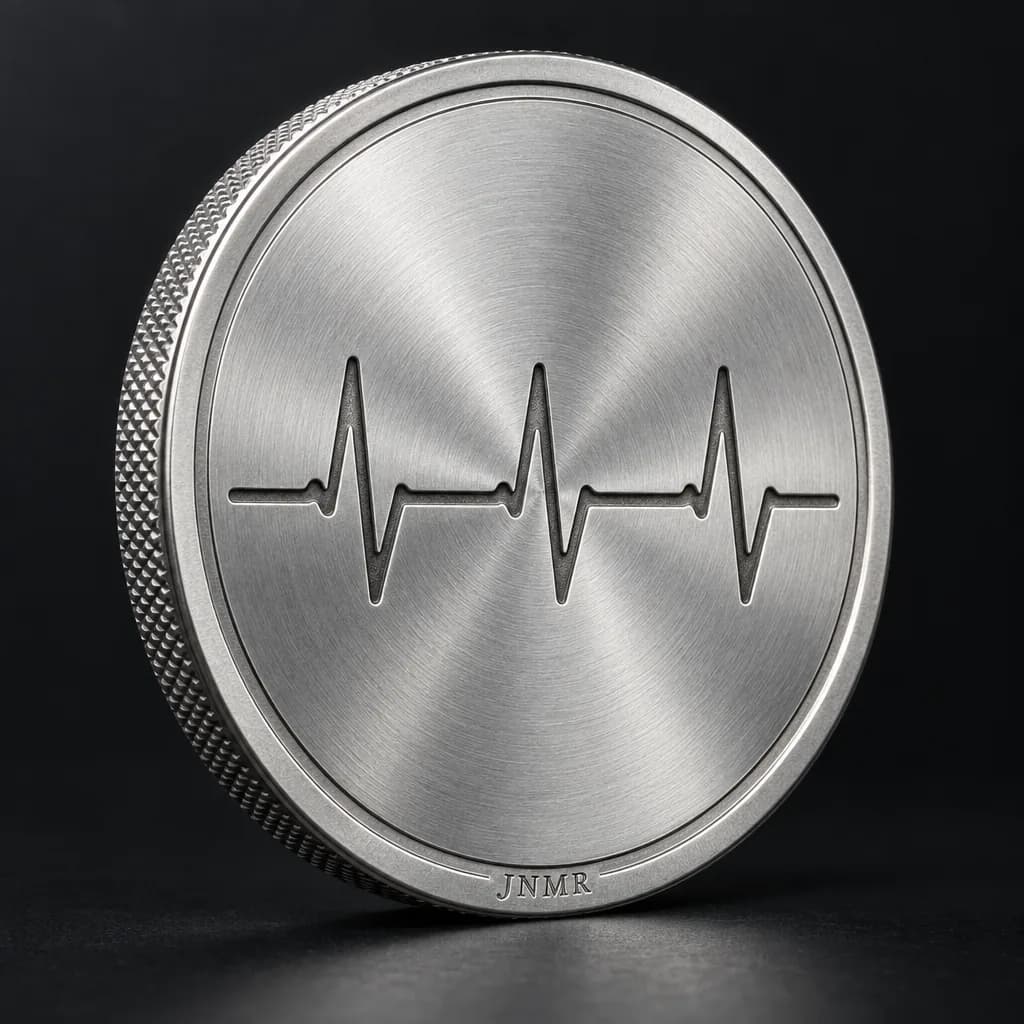
26 trophies. Earned, not given.
Five journeys: Beginnings, Versatility, Speed, Endurance, Consistency.
More detail
Tiers go from Bronze upward, and the first ones come in your first weeks. Consistency trophies count every run, typed in or synced. Speed, distance and Carbon tiers need a run recorded by a connected watch. No trophy rewards piling up long runs back to back.

More than running.
Cycling, swimming, the gym or CrossFit: your other training counts too, and your running plan fits around it.
More detail
Workouts from your watch (cycling, swimming, strength, hiking and more) and the sports you do every week, entered in your profile, shape your plan: hard runs keep their distance from them, and the week view shows them. They never count as runs: no running kilometres, streaks or records.
Your data stays yours.
Export or delete everything from Settings, any time. No ads.
More detail
Settings → “Download my data” gives you everything we store about you as one file. “Delete account” removes your account and your training data. You can disconnect your watch at any time.
FOR EVERY RUNNER
The same coach, whatever you're training for.
Couch to RunWalk breaks built in, and every session explained.
Your first weeks alternate set minutes of walking and running, with a rest day between runs; the running parts grow week by week. Every session says why, in plain language. No watch needed. Already wear a Garmin or Polar every day? Your runs come in automatically.
5K to MarathonBuilt around your race day.
Phases build toward your race date, with a lighter week every three to four weeks. The taper fits the distance: about a week for 5K and 10K, 10–14 days for a half, two to three weeks for a marathon, with volume down 30–50%. Your race date never moves. For the day itself: a pacing plan and a printable pace band.
Get fasterQuality sessions with room to absorb them.
Intervals, tempo runs and strides, with at least 48 hours between hard sessions; no race needed. Pace targets update only after comparable runs, in small steps, once you agree. A recorded race or time trial updates your Running Performance Index and your finish-time estimate.
Trail & UltraTime on feet and climbing, not road pace.
Targets in time on feet and climbing, with effort set by feel or heart rate, so slow hilly kilometres still count. Long days build gradually. Runs with recorded elevation get a trail view with time on feet and an estimated grade-adjusted pace.
HYROX & CrossFitRunning that fits around your strength work.
Tell JNMR your strength days; they count as training load. Some runs come right after strength work, and hard runs stay away from heavy leg days. Training for a HYROX race? Add the date and the plan builds toward it, with a taper before race day.
Build a baseRun more, consistently, without a race.
Mostly easy running in your easy range, with no hard sessions added to fill the week. Volume grows by at most 10% a week, with a lighter week every three to four weeks. A good start before a race block, or a routine on its own.
Return to runningBack after a long break, step by step.
For any long break. You say how long you've been away, and the start fits that: time-based walk/run at easy effort, a rest day between runs, no hard sessions. If something hurts, mark it in your profile; the plan adjusts once you confirm.
Start with where you are.
Your plan is five minutes away.